

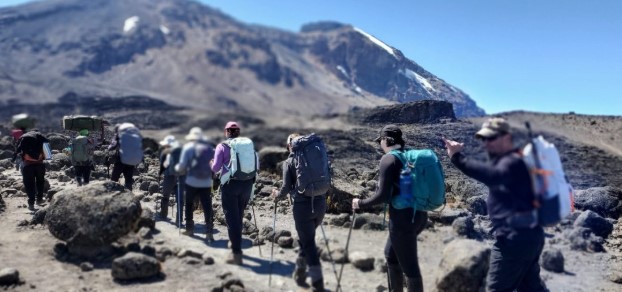
Every aspiring Kilimanjaro climber faces the same crucial question: when should I attempt my summit? The answer determines more than just weather conditions—it shapes your entire experience, influences summit probability by up to 35 percentage points, affects costs by thousands of dollars, and dictates whether you’ll share trails with hundreds or enjoy near-solitary wilderness. Understanding the best time to climb Kilimanjaro requires moving beyond simple “dry season versus rainy season” generalizations to examine the nuanced interplay between precipitation patterns, temperature variations, crowd dynamics, ecological changes, and personal circumstances. This comprehensive framework provides the analytical tools and practical insights needed to make the timing decision that aligns perfectly with your goals, constraints, and climbing philosophy.
The Five Critical Timing Factors: A Decision Matrix
Determining the best time to climb Kilimanjaro requires balancing five interconnected factors, each pulling in different directions depending on personal priorities.
Factor 1: Weather Reliability and Summit Success Probability Weather reliability directly correlates with summit success rates, varying by season from 50% during heavy rains to 85% during optimal periods. Dry seasons (January-March, June-October) offer 15-20% higher success rates than rainy seasons (April-May, November). This difference represents thousands of disappointed climbers annually who underestimate weather’s impact on achievement.
Temperature stability matters equally. Summit night temperatures ranging -10°C to -25°C affect hypothermia risk, gear requirements, and mental fortitude. A 10°C temperature differential between warm season (January-February) and cold season (July-August) significantly impacts climber comfort and safety, particularly for those with limited cold-weather experience.
Visibility and cloud cover influence both safety and satisfaction. Clear summit days reward climbers with panoramic views across Tanzania and Kenya, glacier photography, and the visual confirmation of achievement. Cloud-obscured summits, while still counting as successful ascents, diminish experiential value for many climbers.
Factor 2: Crowd Density and Trail Experience Quality Kilimanjaro sees approximately 35,000-50,000 annual summit attempts, unevenly distributed across seasons. Peak months (July-August, December-January) account for 40-45% of annual traffic compressed into 25% of calendar days. This concentration creates congestion affecting multiple aspects:
Camp availability becomes competitive with popular routes operating at capacity. Shared facilities experience pressure—toilet queues, water collection waits, and crowded dining areas. Trail traffic can resemble highway congestion on popular routes, particularly approaching major viewpoints or challenging sections like Barranco Wall.
Conversely, off-season periods (April-May) may see single-digit daily starts on any given route, providing authentic wilderness experiences with private camps, unhurried guide attention, and meditative solitude. This experiential difference fundamentally shapes the climbing experience for many adventurers.
Factor 3: Financial Investment and Budget Flexibility Seasonal pricing variations create 20-40% cost differentials for identical climbs. Peak season (July-August) commands premium rates; rainy season (April-May) offers deep discounts. For a standard 7-day Machame trek, costs might range from $2,200 during rainy season to $3,800 during peak season—a $1,600 difference that determines accessibility for budget-conscious climbers.
These savings extend beyond operator fees to include accommodation, local transportation, and discretionary spending. The financial factor makes certain seasons the best time to climb Kilimanjaro for specific economic demographics, regardless of weather compromises.
Factor 4: Personal Schedule Constraints and Flexibility For many climbers, schedule flexibility represents the binding constraint. Teachers must work within school breaks (July-August, December-January). Corporate employees face annual leave limitations. Family obligations dictate available windows. These constraints often override optimal timing preferences, forcing compromises between ideal conditions and practical availability.
Conversely, retirees, freelancers, and those taking career breaks enjoy schedule flexibility enabling strategic timing selection based purely on conditions rather than calendar constraints. This flexibility represents a significant advantage in optimizing the climbing experience.
Factor 5: Physical Condition and Experience Level Experienced high-altitude trekkers capable of succeeding in challenging conditions gain freedom to attempt marginal seasons (November, April-May), trading comfort for cost savings and solitude. First-time high-altitude climbers benefit substantially from optimal season advantages—warmer temperatures, stable weather, and experienced guide support characteristic of busy periods increase success probability for those without altitude track records.
Cold tolerance varies individually. Those who thrive in extreme cold may prefer July-August’s stable but frigid conditions, while cold-sensitive climbers should target January-February’s warmer temperatures despite marginally reduced weather predictability.
The Seasonal Deep Dive: Beyond Simple Categorization
The Warm Dry Season: January Through March
This quarter represents one of two premier windows, distinguished by temperature advantages and post-rain ecological vibrancy. Breaking it into sub-periods reveals important nuances:
Late December Through Early January (Holiday Peak): Weather conditions excel with clear skies and stable patterns. However, this brief window experiences maximum annual crowds rivaling July-August congestion. Pricing reaches yearly peaks, often 15-20% above standard rates. Success rates hover around 75-78%, slightly reduced by transitional variability following short rains. The combination of excellent weather, maximum crowds, and premium pricing makes this the least attractive period within an otherwise excellent season for value-conscious climbers.
Mid-January Through Mid-February (Sweet Spot): This six-week window arguably represents the best time to climb Kilimanjaro when balancing all factors. Weather fully stabilizes with 80-85% success rates. Temperatures run 5-10°C warmer than mid-year across all elevations—summit nights average -10 to -15°C versus -20 to -25°C in July-August. Holiday crowds dissipate while spring break rushes haven’t begun, creating moderate traffic levels. Pricing returns to standard peak-season rates. The mountain displays spectacular beauty with occasional fresh snowfall creating pristine white landscapes, while lower zones show lush green vegetation from recent rains.
Late February Through Mid-March (Extended Value): Excellent conditions continue with success rates maintaining 78-82%. Crowds thin further as winter breaks conclude globally. Wildflowers bloom in heath and moorland zones, creating colorful displays. Pricing may soften by 5-10% as operators anticipate approaching low season. This period offers outstanding value for those with scheduling flexibility.
Late March (Transitional Risk): After March 20th, conditions become increasingly uncertain as long rains approach. Success rates decline toward 68-73%. Precipitation probability increases from 15% to 30-35%. Only attempt late March if flexible about summit timing or accepting elevated risk for continued good pricing and minimal crowds.
The Cold Dry Season: June Through October
This extended period provides maximum weather stability at the cost of coldest annual temperatures and highest seasonal traffic.
June (Improving Transition): Early June occasionally experiences lingering moisture from May’s long rains, particularly on southern routes. Mid-to-late June achieves full dry season characteristics. Success rates progress from 75% early month to 82% late month. Crowds build steadily through June. Temperatures cool toward mid-year minimums. Vegetation remains relatively lush from recent rains while the upper mountain dries completely. June represents excellent value—near-peak conditions without peak crowds or pricing.
July-August (Maximum Stability, Maximum Everything): These months deliver Kilimanjaro’s most predictable weather with 82-85% success rates. Precipitation probability drops to 5-10% monthly. Clear skies dominate with 23-26 cloudless days per month at high elevations. However, temperatures plunge to annual lows—summit nights regularly hit -20 to -25°C with wind chill reaching -30°C. Crowds peak dramatically with popular routes operating at absolute capacity. Pricing reaches 15-20% above baseline. Camp infrastructure functions maximally with experienced crews and well-stocked supplies. For those prioritizing success probability above all else and equipped with robust cold-weather gear, July-August represents the safest bet despite trade-offs.
September-October (The Balanced Alternative): Many experienced guides privately consider these months the true best time to climb Kilimanjaro. Weather remains excellent (80-85% success) as dry conditions continue. Temperatures warm progressively—by October, summit nights average 5-7°C warmer than August. Crowds decline substantially; September sees 25-30% fewer climbers than July-August, October drops 35-40%. Pricing moderates by 10-15%. The combination of excellent weather, comfortable temperatures, reasonable crowds, and fair pricing creates optimal balance. Late September through mid-October specifically represents the sweet spot within this favorable window.
The Gamble Seasons: November and Late March
These transitional periods offer high-risk, high-reward dynamics for strategic, flexible climbers.
November’s viability depends entirely on timing within the month and annual weather pattern variations. Early November (1st-12th) often extends October’s excellence with 75-80% success, minimal crowds, and 10-15% discounts. Mid-November (13th-20th) becomes increasingly uncertain with rising precipitation probability. Late November (21st-30th) typically sees established short rains with 55-65% success rates.
The strategic approach involves monitoring extended forecasts 3-4 weeks before intended departure, maintaining booking flexibility through operator relationships or accepting last-minute premium pricing, and preparing mentally for potential pivots to alternate dates if forecasts deteriorate. November potentially offers exceptional value—near-perfect conditions with minimal crowds at discounted rates—but demands flexibility and risk tolerance.
The Budget Seasons: April-May and Late November
These periods sacrifice conditions for accessibility, creating the best time to climb Kilimanjaro for budget-constrained but determined adventurers.
April-May’s long rains create challenging conditions: 40-50% precipitation probability, muddy trails, reduced visibility, and 50-56% success rates. However, 25-40% cost savings transform Kilimanjaro from an unaffordable dream to an accessible goal for thousands. Near-empty trails provide authentic wilderness solitude. Lower zones achieve peak beauty with lush vegetation, waterfalls, and wildlife activity.

Success strategies include choosing Rongai (40-50% drier), extending standard durations by 1-2 days for weather flexibility and better acclimatization, investing in quality waterproof gear, and cultivating mental resilience. Viewing challenging conditions as meaningful adventure rather than inconvenience transforms the experience from endurance test to character-building journey.
Route-Timing Synergies: Strategic Combinations
Different routes interact distinctly with seasonal conditions, creating strategic pairing opportunities:
Machame + Late September-October or Late January-February: Kilimanjaro’s most popular route benefits from optimal seasons avoiding peak congestion while maintaining excellent conditions. The scenic southern approach displays full beauty during these periods with clear skies showcasing Shira Plateau and Barranco Wall.
Lemosho + February or October: The premium scenic route deserves premium conditions. February’s warmth and October’s balanced weather showcase Lemosho’s spectacular western approach without compromising success through marginal timing.
Rongai + November or April-May: The northern route’s rain shadow characteristics make it the intelligent choice for marginal seasons, maintaining 65-75% success when southern routes struggle with 50-60%.
Northern Circuit + Any Optimal Period: The longest route demands significant time investment—justify it with optimal conditions (January-February or September-October) maximizing the 8-9 day commitment’s value.
Marangu + Extended Itinerary During Optimal Seasons: Marangu’s hut accommodation provides minimal advantage during rainy seasons when rain affects comfort regardless of shelter. Choose optimal dry periods and insist on 7-day itineraries, never 5-6 days.
The Decision Framework: Your Personalized Assessment
Work through this framework identifying your priorities and constraints:
Step 1: Define Non-Negotiables What absolutely cannot be compromised? Schedule constraints? Budget limits? Success probability thresholds? Cold tolerance boundaries? Crowd tolerance limits?
Step 2: Rank Remaining Priorities Among flexible factors, what matters most? Second most? Third?
Step 3: Map Priorities to Seasonal Characteristics Which periods align best with your priority ranking?
Step 4: Reality Check Personal Capabilities Can you honestly succeed in your preferred season’s conditions given fitness, experience, and mental preparation?
Step 5: Make the Decision and Commit Select timing confidently, book appropriately far ahead, and begin preparation immediately.
Example Application: Climber Profile: First-time high altitude, moderate budget, strong preference for solitude, flexible schedule Priority Ranking: 1) Solitude, 2) Reasonable success chance (70%+), 3) Budget Optimal Timing: Early November (good weather, minimal crowds, moderate discount) or February (excellent conditions, moderate crowds, manageable cost) Decision: Target early-mid February as safest option balancing priorities

Conclusion
Identifying the best time to climb Kilimanjaro transcends consulting calendar generalizations—it requires systematic analysis of personal priorities, honest capability assessment, and strategic matching between seasonal characteristics and individual circumstances. The data reveals late January through mid-February and late September through mid-October as statistically optimal periods, achieving 80-85% success rates while balancing weather, temperatures, crowds, and costs.
However, optimal timing remains fundamentally personal. The budget traveler for whom April represents the only financially viable option should climb in April with proper preparation rather than postponing indefinitely awaiting unaffordable ideal conditions. The teacher bound by July-August scheduling should embrace that window confidently rather than lamenting impossible February alternatives. The experienced adventurer seeking authentic challenge and solitude may deliberately choose November’s uncertainties or April’s rains for experiences unavailable during comfortable peak seasons.
What ultimately determines Kilimanjaro success isn’t primarily seasonal selection but rather comprehensive preparation, appropriate acclimatization, quality equipment, and unwavering determination. Thousands summit successfully during every month because these factors overcome seasonal disadvantages. Strategic timing optimizes probability and experience quality—important advantages but not decisive factors separating success from failure.
The best time to climb Kilimanjaro is when you’re physically prepared through 4-6 months of structured training, financially ready with adequate budget for quality operators and gear, mentally committed to pushing through inevitable discomfort, and logistically able to dedicate 7-9 days plus travel time. When these conditions align, seasonal selection matters primarily for experience optimization rather than possibility determination.
Choose your timing thoughtfully using the frameworks provided, prepare comprehensively for expected conditions, and approach your chosen season confidently. Whether you summit in February’s warmth or October’s clarity, in solitary April beauty or among September’s international community, the achievement, personal growth, and memories will prove equally transformative. The mountain’s magnificence transcends weather patterns—your Kilimanjaro story begins not with perfect timing but with the decision to go.
Key Takeaways
- Five Critical Factors Determine Optimal Timing: Weather reliability, crowd density, financial investment, schedule constraints, and personal capabilities interact creating individualized “best” times
- Late January-Mid February Represents Warm Season Peak: 80-85% success rates with 5-10°C warmer temperatures than mid-year, moderate crowds, and spectacular post-rain beauty
- Late September-Mid October Provides Balanced Excellence: Excellent weather maintaining 80-85% success with 25-40% fewer crowds than peak season and moderating temperatures
- July-August Maximizes Predictability at Cost of Extremes: Highest weather stability but coldest temperatures (-20 to -25°C), maximum crowds, and premium pricing—requires robust preparation
- Early November Offers Strategic Opportunity: Often extends October conditions (75-80% success) with minimal crowds and 10-15% discounts for flexible, risk-tolerant climbers
- April-May Creates Budget Accessibility: 25-40% cost savings make Kilimanjaro achievable for budget-constrained climbers accepting 50-56% success rates and challenging conditions
- Temperature Differentials Significantly Impact Experience: 10°C variation between warm and cold seasons affects hypothermia risk, gear requirements, and comfort substantially
- Route-Timing Combinations Enable Strategic Optimization: Pairing Rongai with marginal seasons or Lemosho with optimal periods maximizes success probability
- Success Rates Vary 35 Percentage Points Seasonally: Peak dry seasons achieve 80-85% versus 50% during heavy rains—timing directly affects achievement probability
- Personal Priorities Should Override Statistical Generalizations: Budget constraints, schedule inflexibility, experience level, and individual values determine true “best” timing
Frequently Asked Questions
If I can only afford April-May pricing, should I skip Kilimanjaro entirely?
Absolutely not. While April-May presents challenges with 50-56% success rates and difficult conditions, thousands summit successfully during rainy season annually. Strategic preparation enables success: choose Rongai for reduced precipitation (40-50% less than southern routes), extend standard itineraries by 1-2 days for weather flexibility and better acclimatization, invest in quality waterproof gear including rain jacket/pants with taped seams and dry bags for all clothing/electronics, and cultivate mental resilience viewing challenges as meaningful adventure. April-May becomes the best time to climb Kilimanjaro for those whom budget constraints make it the only viable option—accepting conditions with proper preparation enables achievement.
How do I decide between September-October and January-February?
Both represent premier windows with comparable 80-85% success rates and excellent conditions. Choose based on these differentiators: January-February offers 5-7°C warmer temperatures (particularly beneficial for first-timers or cold-sensitive climbers), occasional dramatic snowfall for photography, wildflower blooms in lower zones, and slightly higher precipitation probability (15-20% versus 10-15%). September-October provides colder but more stable weather, 25-30% fewer crowds than January-February, warming trend through October as sun migrates south, and marginally better pricing. First-time climbers benefit from January-February warmth. Experienced trekkers seeking optimal balance often prefer September-October. Both deliver outstanding experiences—choose based on temperature preference and crowd tolerance.
Can I successfully climb during peak season without getting overwhelmed by crowds?
Yes, through strategic route selection and crowd management expectations. Route choice matters enormously: Northern Circuit and Rongai maintain relative solitude even during July-August, while Machame and Marangu experience maximum congestion. Embrace the atmosphere: Many climbers appreciate the international community, shared experiences, and energy of busy seasons. Focus on personal journey: Crowds don’t diminish your achievement or personal growth—the summit feels equally triumphant whether shared with dozens or experienced alone. Consider timing within peak season: Early July and late August see marginally lighter traffic than mid-peak. Peak season delivers maximum weather reliability supporting summit success—if that’s your priority, accept crowds as reasonable trade-off.
What if I book for November and weather forecasts turn bad?
November bookings demand flexibility strategies. Monitor forecasts 3-4 weeks ahead: Modern long-range forecasting provides reasonable 2-3 week reliability. If forecasts deteriorate, consider: Rescheduling if operator allows (many provide limited flexibility for November bookings acknowledging uncertainty), Switching routes from southern to Rongai for better conditions, Accepting conditions and viewing challenges as character-building adventure, or Postponing to future optimal season if operator permits rebooking. The key is booking November with explicit understanding it’s calculated gamble—early November often excellent, late November increasingly risky. Never book November rigidly far in advance unless accepting whatever conditions materialize. Optimal approach involves 6-10 week booking window enabling forecast monitoring.
How much does temperature really matter compared to precipitation?
Both matter significantly but differently. Precipitation directly affects trail conditions, visibility, gear dryness, and summit success probability—heavy rain forces route closures or dangerous conditions. Temperature affects comfort, hypothermia risk, gear requirements, and mental fortitude but rarely prevents summit attempts. The 10°C differential between warm season (January-February) and cold season (July-August) substantially impacts experience: warmer conditions reduce hypothermia risk during summit night, require less extensive cold-weather gear, improve comfort during multi-day trek, and lower barriers for first-time cold-weather climbers. However, precipitation trumps temperature—a rainy warm day proves more challenging than a clear cold day. Ideal timing minimizes both precipitation and extreme cold: late January-February or late September-October balance these factors optimally.
Should I avoid holidays completely or are they workable?
Holiday periods (December 20-January 5, Easter week) present mixed considerations. Advantages: Weather typically excellent, infrastructure at full operation, vibrant international atmosphere. Disadvantages: Maximum annual crowds creating camp congestion, premium pricing (15-25% above standard rates), booking challenges requiring 8-12 month advance reservations. Strategic approach: If holidays represent your only available window due to work/family constraints, embrace them confidently—many climbers successfully summit during holidays. Book extremely early (10-12 months ahead), choose less-popular routes escaping worst congestion, set realistic expectations about crowds, and recognize you’re paying premium for scheduling convenience not experience quality. If flexible, target immediately post-holiday (January 6-20) capturing excellent weather as crowds dissipate and pricing normalizes.
Can I train adequately if deciding only 2-3 months before departure?
Challenging but possible depending on current fitness. Ideal preparation requires 4-6 months for comprehensive cardiovascular conditioning, strength development, and altitude adaptation simulation. With 2-3 months: Focus intensively on priority training—long weekend hikes with weighted packs (build from 4 hours to 8 hours), twice-weekly strength training emphasizing legs and core, consistent cardio 5-6 days weekly, and mental preparation. Current fitness matters: If already hiking regularly or maintaining solid aerobic base, 2-3 months suffices. If sedentary, rushed preparation increases injury risk and reduces success probability. Consider route selection: Shorter preparation timeline favors longer, more gradual routes (Lemosho, Northern Circuit) providing better acclimatization compensating for condensed training period. Honest assessment is crucial—inadequate preparation compromises safety and success regardless of optimal seasonal timing.
What defines “flexible” scheduling for opportunistic November attempts?
Flexibility requires ability to commit approximately 6-10 weeks before departure rather than typical 6-8 months for peak seasons. This means: Career flexibility allowing relatively short-notice leave requests, Financial preparedness with funds available for booking when conditions look favorable, Travel logistics adaptability accepting potentially higher flight costs from shorter booking windows, Mental readiness to pull trigger quickly when forecasts align favorably, and Backup planning if November forecast deteriorates, including alternate months or accepting whatever conditions materialize. This flexibility profile suits retirees, freelancers, entrepreneurs, or those taking career breaks more readily than traditional employees with rigid leave schedules. November rewards opportunistic planning but punishes rigid advance commitments.
How important is it to match my experience level to season choice?
Critically important for first-timers, moderately important for experienced trekkers. First-time high-altitude climbers benefit enormously from optimal season advantages: warmer temperatures (January-February) reduce environmental stressors, stable weather (September-October, February) provides predictability building confidence, busy seasons (July-August despite cold) offer experienced guide attention and robust infrastructure. Experienced altitude veterans can successfully navigate challenging seasons (April-May, November) through familiarity with altitude effects, proven ability in difficult conditions, and mental resilience. Intermediate experience enables marginal season attempts (early November, June) accepting modest challenges. Honestly assess your capabilities—your first Kilimanjaro attempt isn’t the time to test yourself against April rainstorms. Build experience, then explore challenging seasons on repeat attempts if desired.
Does the “best” time change if combining Kilimanjaro with safari?
Yes, substantially. Tanzania’s premier wildlife viewing occurs during dry season (June-October) when animals concentrate around limited water sources. The Great Migration in Serengeti peaks July-October offering unmatched spectacles. If prioritizing safari equally with Kilimanjaro: Target late September-October combining excellent climbing conditions with peak safari experiences. If Kilimanjaro is primary focus: Any optimal climbing period works; adjust safari expectations for whatever season you choose. January-March provides decent safari with newborn animals and green landscapes but dispersed wildlife. April-May offers poorest safari conditions—muddy roads, dispersed animals, closed camps. Cost consideration: Combined trips during peak season (July-October) command premium pricing for both components; shoulder seasons offer modest savings. The best time to climb Kilimanjaro for safari combinations definitively favors late September-October balancing both activities optimally.
What happens if I book optimal season but face unusual weather?
Even optimal seasons experience occasional anomalies—no period offers absolute guarantees. Historical data shows September-October and January-February averaging 80-85% success, meaning 15-20% still fail even during best periods. If encountering unusual weather: Guides adjust tactics delaying summit attempts by hours or rarely a day seeking brief windows, Longer routes provide flexibility with extra days accommodating delays without compromising acclimatization, Mental preparation matters accepting some weather variance as normal, and Insurance consideration with trip interruption coverage providing financial protection. Extreme weather forcing complete cancellation occurs rarely (less than 3% annually) but can’t be entirely eliminated. Optimal timing maximizes odds but doesn’t guarantee outcomes—preparation and determination ultimately matter more than perfect weather.

