


Efficient home cooling is no longer a luxury. It is a daily comfort that affects sleep, productivity, and energy bills. A well-maintained cooling system works quietly in the background, keeping indoor temperatures steady even during peak summer heat. Many homeowners focus on buying the right unit but forget that long-term efficiency depends on consistent care. Small maintenance habits can extend system life, reduce breakdowns, and keep cooling costs predictable.
Understanding Your Home Cooling System Basics
Every cooling system relies on airflow, refrigerant balance, and clean components. When one part struggles, the entire system loses efficiency. Dust buildup, loose connections, or blocked vents may seem minor, but they force the system to work harder. Over time, this extra strain increases energy use and shortens equipment lifespan. Knowing these basics helps homeowners recognize early warning signs and act before comfort is affected.
Air Conditioner Installation And System Foundations
Air conditioner installation refers to the correct placement, sizing, and setup of a cooling unit to match a home’s layout and cooling load. A poorly installed system may cool unevenly or cycle too often. That behavior leads to higher energy bills and faster wear. Proper installation ensures smooth airflow and balanced cooling from day one. It also makes future maintenance easier and more effective. Even the best maintenance routine cannot fully fix errors made during air conditioner installation.
Filter Care For Residential Air Conditioning Performance
Residential air conditioning describes cooling systems designed specifically for homes, focusing on comfort, efficiency, and quiet operation. Filters play a central role here. Dirty filters restrict airflow and trap heat inside the system. This causes longer run times and uneven cooling. Checking filters monthly and replacing them when needed keeps air clean and temperatures stable. It also protects internal components from dust damage in residential air conditioning.
Coil Cleaning To Support Residential Air Conditioning Efficiency
Coils handle heat transfer. When they are covered in dirt, heat cannot move efficiently. This forces the system to run longer to achieve the same cooling effect. Gentle cleaning once or twice a year helps maintain smooth operation. Clean coils reduce energy waste and improve indoor comfort. They also help prevent overheating and refrigerant stress, both common issues in aging residential air conditioning.
Air Conditioner Installation Alignment And Airflow Checks
Airflow issues often trace back to installation alignment. Air conditioner installation must account for duct design, vent placement, and system balance. Over time, ducts may shift or leak, reducing cooling efficiency. Periodic airflow checks help identify weak spots where cool air escapes. Sealing leaks and adjusting vents ensures even cooling across rooms. These small adjustments protect the investment made during air conditioner installation.
Seasonal Tune-Ups For Long-Term Cooling Health
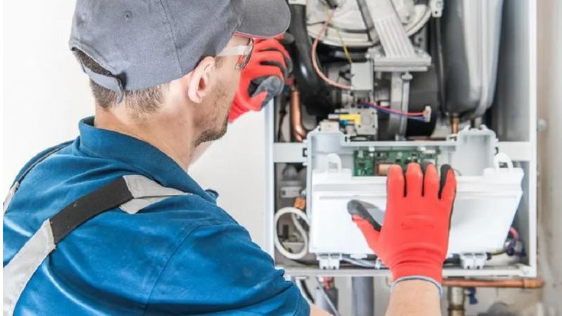
A seasonal tune-up keeps systems running smoothly before heavy use. Technicians inspect electrical connections, refrigerant levels, and moving parts. These checks prevent sudden failures during heatwaves. Regular tune-ups also maintain consistent cooling output and reduce energy spikes.
Smart Thermostat Habits And Daily Usage
Maintenance is not only mechanical. Daily usage habits matter. Setting realistic temperatures and avoiding constant adjustments reduces system strain. Smart thermostats help regulate cooling cycles automatically. They prevent unnecessary runtime while keeping indoor comfort steady.
Conclusion
Efficient cooling depends on attention, not constant repairs. Clean filters, clear airflow, and routine inspections work together to protect system performance. Proper installation sets the foundation, while smart daily habits keep everything running smoothly. By focusing on consistent maintenance, homeowners can enjoy reliable comfort, lower energy bills, and longer-lasting cooling systems year after year.