

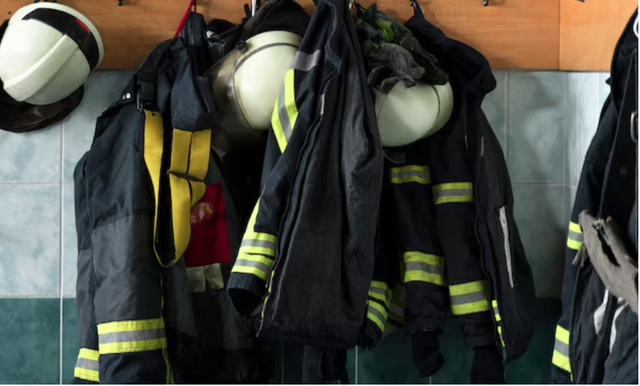

When engaging in forest firefighting, the importance of reliable equipment cannot be overstated. Firefighters operate in some of the most dangerous and unpredictable environments on earth.
Selecting appropriate fire line gear is not merely a matter of convenience; it is a fundamental requirement for personal safety and professional efficiency.
Every piece of equipment must be chosen to withstand extreme thermal exposure while allowing for the mobility required in rugged terrain.
Material Quality and Thermal Protection
The primary consideration for any protective equipment is the material composition. Modern standards dictate the use of inherently fire-resistant fabrics that do not melt or drip when exposed to intense heat.
When evaluating fire line gear, look for specialized fibers that provide high levels of breathability alongside flame resistance. The fabric must be durable enough to withstand snags from branches and thorns while maintaining structural integrity during prolonged exposure to radiant heat.
Ergonomics and Range of Motion
Forest firefighting often involves long hours of hiking, climbing, and performing strenuous labor. If the protective clothing is too heavy or restrictive, it leads to rapid fatigue, which increases the risk of mistakes.
High-quality fire line gear should be designed with an ergonomic fit that mirrors human movement. Check for articulated joints in trousers and jackets, as these features allow for a full range of motion.
This design focus ensures that firefighters can navigate steep slopes and dense brush without their equipment becoming an additional obstacle.
Breathability and Moisture Management
Managing body temperature is critical in high-heat environments. Forest fires often take place during hot, dry weather conditions, creating a high risk of heat-related illnesses.
The gear must allow for effective moisture wicking to move sweat away from the body, preventing overheating. Look for designs that incorporate ventilation zones or lightweight moisture-wicking layers.
Proper airflow within the fire line gear prevents the buildup of heat that can lead to exhaustion, allowing the firefighter to remain focused and capable for longer durations during critical operations.
Durability and Abrasion Resistance
The harsh nature of forest environments places immense strain on protective clothing. Branches, rocks, and debris constantly threaten the integrity of fabric. A garment that tears easily is not only an expense but a severe liability.
You should verify that the seams are reinforced with high-strength thread and that stress points are double-stitched. Choosing gear with abrasion-resistant patches in high-wear areas, such as the elbows and knees, significantly extends the lifespan of the equipment in the field.
Storage and Utility Integration
Operational efficiency requires that essential tools be easily accessible at all times. Effective protective clothing features well-placed, secure pockets that do not interfere with harness systems or gear packs. The placement of these pockets should allow for quick access even when wearing gloves.
Consider how well the clothing integrates with other components like helmets, respirators, and hydration packs to ensure a seamless interface that keeps the firefighter organized and efficient.
Certification and Compliance Standards
Never compromise on safety certifications. Every item of clothing must meet strict regulatory standards for fire resistance and protective performance. Always inspect the labels for proof of compliance with international safety organizations.
Verified gear provides the assurance that it has undergone rigorous laboratory testing to confirm its performance under pressure.
Investing in certified products is the only way to ensure that you are receiving the highest level of protection available for the challenging work of wildland fire suppression.