


Introduction
Industrial processes require reliable methods for controlling the movement of liquids, gases, steam, and other materials. Valves perform this essential function, but manually operating valves can become inefficient when systems contain numerous control points or when equipment operates in demanding environments. Pneumatic Valve Actuators provide an effective way to automate valve movement by using compressed air to generate mechanical force. They are widely used in manufacturing, chemical processing, oil and gas, water treatment, power generation, food processing, and other industrial applications where dependable and responsive valve operation is important.
Pneumatic actuation is particularly useful where fast movement, repeatable operation, and straightforward control are required. By converting compressed-air energy into rotary or linear mechanical movement, these actuators can open, close, or position valves according to process requirements. They can also be connected to control systems, solenoid valves, sensors, and other automation equipment. Understanding their construction, working principles, benefits, applications, and maintenance requirements can help businesses select appropriate valve automation solutions for different industrial environments.
What Are Pneumatic Valve Actuators?
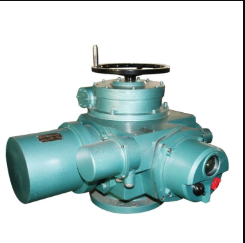
Pneumatic Valve Actuators are mechanical devices that use compressed air to operate a connected valve. The compressed air enters a chamber within the actuator and produces a force against a piston or diaphragm. This force is converted into mechanical movement, which then moves the valve between its required positions.
Pneumatic actuators are generally designed for rotary or linear motion. Rotary models are commonly connected to quarter-turn valves such as butterfly and ball valves, while linear designs can be used with valves requiring straight-line movement. Depending on the application, an actuator may be configured for simple open-and-close operation or for more controlled positioning. Their relatively simple operating principle makes them suitable for many industrial systems where reliable automation is required.
How Pneumatic Valve Actuators Work
The operation of a pneumatic actuator begins when compressed air is supplied to its chamber. The air pressure acts on a piston or diaphragm, creating a mechanical force. In a rotary actuator, this force produces rotational movement through a rack-and-pinion or similar mechanism. In a linear actuator, the pressure moves a piston along a straight path.
The resulting movement is transferred to the valve stem or shaft. When the control signal changes, the air supply can be redirected to move the actuator in the opposite direction. Spring-return models use mechanical springs to return the actuator to a predetermined position when air pressure is removed. Double-acting models use compressed air for movement in both directions. The appropriate configuration depends on the process and required fail position.
Main Types of Pneumatic Actuators
Pneumatic actuators can be divided into several categories according to their construction and operating method. Double-acting actuators use compressed air to produce movement in both directions. They are commonly selected where air pressure is continuously available and controlled movement in both directions is required.
Spring-return actuators use compressed air for one direction while springs provide the return movement. This arrangement can provide a defined valve position if the air supply is interrupted. Depending on the design, the valve can be configured to fail open or fail closed. Linear pneumatic actuators are suitable for applications requiring straight-line movement, while rotary versions are widely used with quarter-turn valves.
Applications Across Industrial Sectors
Pneumatic Valve Actuators are used across a wide range of industrial processes. In water treatment facilities, they can control water flow through filtration, pumping, treatment, and distribution systems. Chemical plants use pneumatic actuation for managing process fluids, gases, and other materials where reliable automation is important.
In oil and gas facilities, pneumatic systems may be used in process control and pipeline applications. Manufacturing plants can use them to automate valves in production lines, compressed-air systems, cooling systems, and utility networks. Food and beverage facilities may also use pneumatic actuation because compressed-air systems are already common in many production environments. Their versatility allows them to be adapted to different valve types and process requirements.
Benefits of Pneumatic Actuation
One of the key advantages of pneumatic actuation is its ability to provide rapid valve movement. Compressed air can deliver sufficient force for many industrial applications while allowing relatively quick response times. This can be valuable when valves need to operate frequently or when a process requires fast isolation.
Pneumatic systems can also be relatively simple to operate and maintain. The actuator itself contains fewer electrical components than many electrically powered alternatives, which can be useful in environments where electrical equipment requires additional consideration. Pneumatic systems can also be designed with spring-return mechanisms that provide a defined response to loss of air pressure. These characteristics make pneumatic actuation suitable for a variety of automated process-control applications.
Safety and Fail-Safe Operation
Safety is an important consideration in industrial valve automation. Certain processes require a valve to move to a predetermined position when the control system or energy supply fails. Pneumatic actuators can support this requirement through spring-return configurations.
For example, an actuator can be arranged so that the valve moves toward a closed position when compressed air is lost. Another configuration may allow the valve to return toward an open position. The appropriate fail position depends on the process and safety requirements. Additional components such as solenoid valves, position switches, pressure regulators, and control systems can further support safe and predictable operation.
Double-Acting and Spring-Return Designs
Choosing between double-acting and spring-return designs depends on the application. A double-acting actuator uses compressed air to drive the valve in both directions. This configuration can provide consistent force and may be appropriate for applications where air supply reliability is high and a specific fail position is not required.
Spring-return actuators use air pressure in one direction and springs for the opposite movement. They can provide a predictable valve position if pneumatic pressure is lost. However, the available spring force needs to be considered carefully because it can affect the actuator’s overall torque requirements. Selecting the correct configuration requires an understanding of valve size, operating pressure, process conditions, and safety objectives.
Components of a Pneumatic Actuator System
A complete pneumatic valve-control system normally includes more than the actuator itself. The actuator is connected to the valve and receives compressed air through a control arrangement. Solenoid valves can direct the air supply according to electrical control signals, while filters and regulators help maintain suitable air quality and pressure.
Position indicators or switches can provide information about whether the valve is open, closed, or at an intermediate position. In more advanced applications, positioners can be used to control the valve more precisely. Tubing, fittings, air preparation equipment, and control components must all be selected appropriately because the performance of the actuator depends on the complete pneumatic system.
Importance of Compressed Air Quality
The quality of compressed air can influence pneumatic actuator performance and service life. Air containing excessive moisture, oil, or particulate matter may contribute to corrosion, contamination, or wear of internal components. Proper air preparation can therefore be an important part of system maintenance.
Filters can remove particles and other contaminants, while regulators help maintain suitable operating pressure. In some installations, additional drying or conditioning equipment may be required. Regular inspection of the compressed-air system can help prevent problems caused by contamination or pressure instability. Maintaining suitable air quality can contribute to more consistent actuator performance.
Choosing the Right Pneumatic Actuator
Selecting an actuator begins with identifying the type and size of the valve. Engineers need to determine the torque or thrust required to move the valve under actual operating conditions. The actuator should provide sufficient output force across the full operating range.
Air supply pressure is another important factor because actuator output depends partly on available pneumatic pressure. Operating speed, required cycle frequency, ambient temperature, installation conditions, and fail position should also be evaluated. The actuator must be compatible with the valve mounting arrangement and shaft or stem configuration.
For specialized environments, material selection and enclosure protection may also need consideration. A complete application assessment helps ensure that the actuator is appropriately sized rather than simply selected based on valve size alone.
Pneumatic Actuators and Industrial Automation
Modern industrial facilities frequently connect pneumatic actuators to programmable logic controllers and distributed control systems. Electrical control signals can operate solenoid valves, which then regulate compressed-air flow to the actuator. This allows operators to control valves remotely and coordinate their operation with other equipment.
Position feedback can further improve process visibility. Sensors or switches can indicate valve status, allowing control systems to verify whether a commanded action has occurred. In more advanced installations, pneumatic positioners can adjust valve movement according to process signals. This integration allows pneumatic actuation to remain useful even in highly automated industrial environments.
Maintenance Requirements
Regular maintenance can help pneumatic actuators operate reliably over an extended period. Inspections should include the actuator housing, mounting hardware, air connections, tubing, solenoid valves, and related components. Signs of air leakage should be addressed because leaks can reduce system efficiency and affect actuator performance.
The connected valve should also be inspected because excessive friction, corrosion, or mechanical problems can increase the force required for operation. Filters and air-treatment components may need periodic servicing according to the manufacturer’s requirements. For spring-return actuators, the spring mechanism and associated components should also be inspected as part of an appropriate maintenance program.
Pneumatic Versus Electric Actuation
Pneumatic and electric actuation technologies both have important industrial applications. Pneumatic systems can offer rapid movement and can be particularly suitable for facilities that already have a reliable compressed-air infrastructure. They can also provide useful fail-safe configurations through spring-return designs.
Electric actuators, meanwhile, can be convenient where compressed air is unavailable or where precise electronic control and monitoring are priorities. The appropriate choice depends on valve requirements, available utilities, environmental conditions, control objectives, operating frequency, and safety considerations. In some facilities, both technologies may be used for different applications according to specific process requirements.
Energy and Operating Considerations
Pneumatic systems require compressed air, and producing compressed air consumes energy. Air leaks, excessive pressure, and inefficient components can increase operating costs. Proper system design and routine inspection are therefore important for maintaining efficient operation.
Actuator sizing also matters. An actuator that is significantly larger than necessary may consume more air than required, while an undersized unit may struggle to operate the valve reliably. Correct sizing helps balance performance and energy requirements. Facilities can also monitor compressed-air systems for leaks and unnecessary pressure losses to improve overall efficiency.
Future Developments in Pneumatic Valve Control
Pneumatic actuation continues to evolve alongside industrial automation. Modern systems increasingly incorporate electronic monitoring, digital position feedback, improved control components, and condition-monitoring technologies. These developments allow pneumatic equipment to interact more effectively with centralized automation platforms.
Improved actuator designs can also focus on reducing air consumption, improving response characteristics, and extending service life. Smart monitoring can help maintenance teams identify unusual operating conditions and address potential issues before they cause significant downtime. As industrial facilities become more connected, pneumatic actuators can remain an important part of automated flow-control systems.
Conclusion
Pneumatic actuation provides a practical and reliable method for automating industrial valves. Pneumatic Valve Actuators use compressed air to generate the force required to open, close, or position valves, making them suitable for many demanding applications. Their fast response, straightforward operating principle, and ability to provide defined fail positions make them valuable in industries such as water treatment, chemical processing, manufacturing, power generation, and oil and gas.
Choosing the appropriate actuator requires careful consideration of valve type, torque requirements, air pressure, operating frequency, environmental conditions, control method, and safety requirements. Proper compressed-air quality and regular maintenance are also essential for reliable performance. With continued advances in automation and monitoring technology, pneumatic valve actuation can remain an important solution for efficient and dependable industrial process control.