

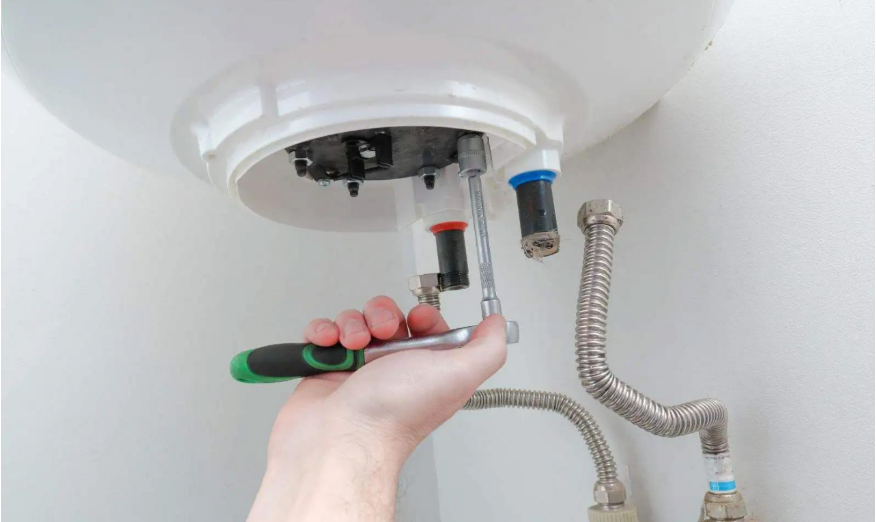

Most homeowners rarely think about their water heater until something goes wrong. Because the system works quietly in the background every day, small warning signs are often overlooked until they become expensive plumbing emergencies. Unfortunately, ignoring unusual sounds, leaks, or inconsistent hot water can lead to significant damage and unexpected breakdowns.
Water heaters naturally experience wear over time. Internal components face constant exposure to heat, pressure, minerals, and moisture, all of which gradually affect performance. While some minor issues can be repaired, persistent problems often indicate that the unit is approaching the end of its lifespan.
Homeowners experiencing recurring leaks or inconsistent hot water often begin researching options for water heater replacement in Chambersburg, PA after noticing rising energy costs and declining system performance.
Understanding the early warning signs can help prevent costly repairs, water damage, and sudden system failure. Recognising these symptoms early also makes it easier to decide whether maintenance, repairs, or replacement is the best long-term solution.
Why Water Heaters Start Developing Problems
Water heaters operate under demanding conditions every day. Over time, natural wear affects heating elements, valves, internal linings, and pressure systems. Even well-maintained units eventually lose efficiency as components age.
One of the most common causes of water heater trouble is sediment buildup. Minerals from hard water settle at the bottom of the tank, forming a thick layer that interferes with heating performance. As this buildup grows, the system must work harder to produce hot water.
Corrosion is another major concern. Moisture and minerals slowly weaken the inside of the tank, particularly in older systems. Once corrosion spreads, leaks often follow.
Heavy household usage can also accelerate deterioration. Large families or homes with high hot water demand place additional strain on the system, increasing the likelihood of component failure.
How Hard Water Impacts Water Heaters
Hard water contains higher levels of dissolved minerals such as calcium and magnesium. These minerals gradually accumulate inside the tank and around heating components. Over time, mineral buildup reduces heating efficiency, increases energy consumption, and shortens the lifespan of the unit. In severe cases, sediment can even cause overheating inside the tank, leading to loud noises and internal damage.
Common Water Heater Noises and What They Mean
Unusual sounds coming from a water heater are often one of the earliest indicators of trouble. While some minor operational noise is normal, persistent or loud sounds should never be ignored.Popping noises usually develop when sediment traps water beneath hardened mineral layers. As the trapped water heats and escapes, it creates popping or banging sounds inside the tank.Rumbling sounds can indicate excessive sediment buildup forcing the system to overheat. This added strain reduces efficiency and increases wear on internal components.
Whistling noises may suggest pressure problems or restricted water flow. In some cases, partially closed valves or mineral deposits inside pipes contribute to the issue. Crackling sounds are sometimes caused by condensation interacting with hot surfaces or heating elements cycling on and off under strain.
When Water Heater Sounds Become Serious
Occasional noise may not indicate immediate danger, but persistent loud sounds often signal worsening internal conditions. Homeowners should pay closer attention if noises are accompanied by:
- Reduced hot water availability
- Increased utility bills
- Longer heating times
- Fluctuating water temperatures
These combined symptoms frequently suggest declining efficiency or internal tank deterioration.
Warning Signs of Water Heater Leaks
Water leaks are among the clearest signs that a water heater requires attention. Even small amounts of moisture around the tank should never be ignored. Leaks commonly develop around fittings, valves, or pipe connections. In some cases, tightening loose components may solve the issue. However, leaks originating from the tank itself often indicate corrosion or structural weakness.
Pooling water near the base of the unit is particularly concerning. Internal tank damage generally worsens over time and cannot usually be repaired permanently.Rust-coloured water is another warning sign. Discoloured hot water often indicates corrosion inside the tank or deteriorating anode rods. Some homeowners also notice damp walls, soft flooring, or mould growth near the system. These symptoms may suggest slow leaks that have been developing unnoticed for an extended period.
Small Leaks Can Lead to Larger Damage
Even minor water heater leaks can create serious property issues if left unresolved. Moisture can damage flooring, weaken walls, encourage mould growth, and increase humidity levels inside the home.
Addressing leaks early helps reduce repair costs while preventing additional plumbing complications.
Changes in Hot Water Performance
A failing water heater often struggles to maintain consistent performance. Homeowners may begin noticing fluctuating water temperatures or reduced hot water supply during daily use. Inconsistent heating can occur when heating elements weaken or when sediment interferes with normal operation. Water may suddenly turn cold during showers or fail to reach the desired temperature altogether. Running out of hot water more quickly than usual is another common warning sign. Older systems frequently lose efficiency and heating capacity as components wear down.
Low hot water pressure may also indicate mineral buildup inside pipes or the tank itself. Restricted flow reduces performance throughout the plumbing system. Long delays before water heats up can further suggest declining system efficiency.
When Repairs May No Longer Be Cost-Effective
While some water heater issues can be repaired, repeated service calls often become financially impractical over time. In many cases, older systems consume more energy while providing less reliable performance. Traditional tank water heaters generally last between eight and twelve years, depending on maintenance, water quality, and household usage. Once systems approach this age range, replacement often becomes more economical than continued repairs. Modern water heaters are designed with improved insulation, higher efficiency ratings, and better temperature controls. Newer systems frequently reduce monthly energy costs while delivering more consistent performance.
Factors That Influence Replacement Decisions
Several factors help determine whether replacement is the best option:
- Age of the current system
- Frequency of recent repairs
- Household hot water demand
- Energy efficiency concerns
- Extent of corrosion or leaks
A professional inspection can help homeowners evaluate the condition of the unit and understand available options.
Preventative Maintenance Helps Extend System Life
Routine maintenance plays an important role in improving water heater performance and lifespan. Simple preventative steps can reduce sediment buildup, improve efficiency, and lower the risk of unexpected failure. Annual tank flushing helps remove mineral deposits before they accumulate excessively. This process improves heating efficiency and reduces internal strain. Inspecting valves, pipe connections, and pressure relief systems regularly also helps identify small issues before they become serious problems.
Monitoring water pressure throughout the home can further reduce unnecessary strain on plumbing components and the water heater itself.Professional inspections remain one of the most effective ways to maintain long-term reliability. Experienced technicians can identify early signs of wear, corrosion, or performance decline before major failures occur.
Conclusion
Water heaters rarely fail without warning. Strange noises, leaks, inconsistent temperatures, and rising energy bills often develop gradually as the system ages or internal components deteriorate. Paying attention to these warning signs early can help homeowners avoid costly water damage, emergency repairs, and complete system breakdowns. Whether the issue involves sediment buildup, corrosion, or declining efficiency, prompt action usually leads to better long-term results. Regular maintenance, timely inspections, and informed repair decisions all contribute to a safer, more reliable hot water system that performs efficiently throughout the year.