


Pests are present silently and become a big issue even before you know what is going on. They are usually easy indications when a few ants infest the kitchen, they scratch in the walls, or they leave droppings in the stores. Pest control helps to prevent these minor problems from becoming costly, unhealthy, and stressful environments.
Spraying chemicals and hoping things will work out is not enough. Modern pest control is an activity aimed at identifying the problems, eradicating pests in a non-toxic manner, and stopping the recurrence of the problem. Understanding how pest control works can help to eradicate the problem easily.
What is Pest Control
Pest control is the act of controlling and removing unwanted pests, including insects, rodents, and wildlife, on a property. This contains such household pests as ants, cockroaches, termites, mice, and spiders.
The goal isn’t just removal. Proper pest management is aimed at preventing pests effectively in the long run by seeking solutions to the reasons that pests are present in the first place.
Why Pest Control Matters
Pests contain a lot of bacteria and allergens, which may cause human beings health problems. Rodents are able to contaminate food and surfaces. Asthma and allergies can be caused by cockroaches and dust mites.
These risks are mitigated by pest control, which eliminates the pests and future exposures. This is particularly relevant to households with children, aged relatives, or patients with a weakened immune system.
1. Identification and Inspection
The pest control service begins with an inspection. Professionals look for the evidences of pest action, entry, nesting sites, and the circumstances that attract pests. It is important to be properly identified. Ants are not rodents that can be treated the same way as termites.
The identification of the pest will enable the technicians to select the appropriate approach and prevent unnecessary treatment. This is a time-saving, money-saving, and frustration-saving step.
2. Customized Treatment Plan
A treatment plan is developed after the identification of pests, depending on the kind of pest, the extent of infestation, and the property plan. Up-to-date ways of pest control are also focused treatments rather than blanket spraying, and this makes the process safer and more efficient.
Treatments may include:
- Specialized uses of chemicals
- Baiting systems
- Traps
- Exclusion techniques, such as sealing cracks
- Sanitation recommendations
3. Safe and Targeted Application
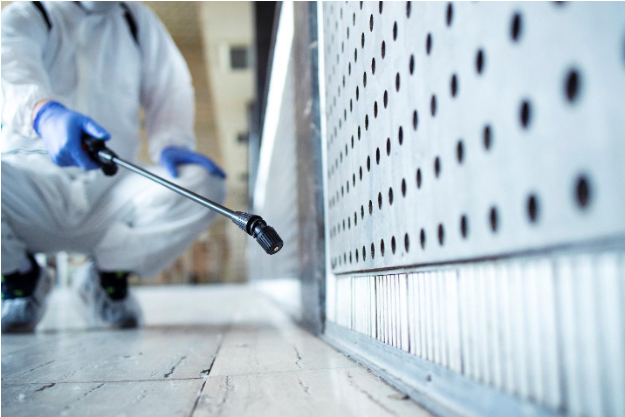
The techniques and methods are then applied with caution to reduce the risk to human beings, pets, and the environment. Trained pest control operators have rigid guidelines on the use of products. Most pests are treated in concealed spaces, like in wall voids, at the baseboard, or exterior edges. This makes exposure minimal and effectiveness maximum.
4. Monitoring and Follow-Up
The control of pests is not limited to the initial visit. Monitoring helps you confirm that you are successfully treating the pests and that they are not coming back. The post-visitation review enables technicians to revise strategies as necessary.
This is important, particularly to pests that multiply rapidly or are not easily killed to the point of eradication. Constant pest control strategies are used to ensure that the pests do not recur.