

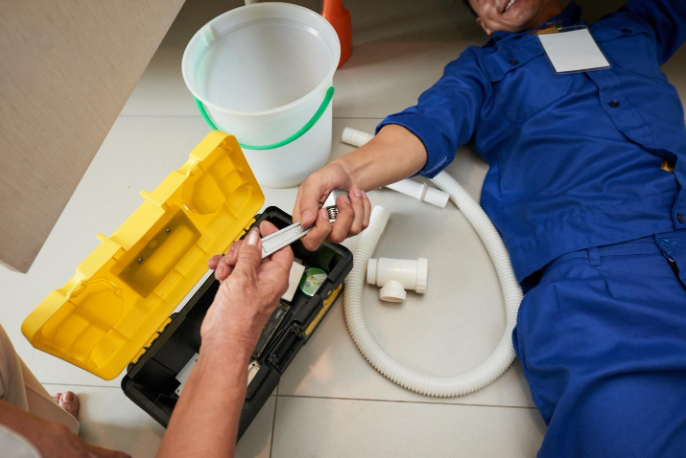

The problem concerning emergency plumbing does not usually pop up out of the blue. Mostly, they accumulate silently until a single event leads to them developing into a full adverse crisis. A pipe explodes, a toilet leaks, or water begins to pour where it is not supposed to.
Knowing the most prevalent emergency plumbing issues and their initial causes aids homeowners in knowing when they are on the verge of a problem and take preemptive measures before it is too late. In this guide, the most common emergency plumbing scenarios are described, the reasons they happen, and the warning signs.
1. Burst Pipes
The most critical emergency plumbing issues are burst pipes. Within minutes, they are able to flood a home and bring about severe structural destruction.
How They Start
Freezing point usually causes burst pipelines, as water freezes in the pipe. The weakening of the walls of the pipes due to aging, corrosion, and sudden pressure changes may also result in breaking through.
Warning Signs
A burst can happen before being noticed in the form of reduced water pressure, strange sounds in pipes, or cracks can be observed.
2. Severe Water Leaks
The leaks are not necessarily an emergency; however, rapid or hidden leaks soon turn into serious ones.
How They Start
Leaks can occur due to damaged seals, corrosion, or worn joints of pipes. Small leaks may increase over time to hidden areas behind the walls or beneath the floors.
Why They Become Emergencies
Once water seeps through ceilings, walls, or electrical spaces, there should be an immediate step to stop the additional damage.
3. Water Heater Failures
The water heaters may develop a leak, requiring emergency hot water heater repair.
How They Start
The sedimentation, the wear and tear, or the breakdown of the pressure valves can lead to leaks or their total collapse.
Signs to Watch For
Abnormal sounds, unpredictable hot water, or pooling of water around the heater are usually common prior to failure.
4. Overflowing Toilets
An overflowing toilet is not only a stressful event, but also unhygienic, which is an obvious emergency plumbing problem.
How They Start
The most common causes are blockages due to excessive toilet paper, non-flushable items, or sewer line issues.
Early Signs
Slow flushing, an increase in water level, or gurgling may indicate a problem before overflow occurs.
5. Clogged Drains and Sewer Line Backups
The congested drains may become an emergency plumbing issue when no water can flow. One of the worst problems of emergency plumbing is sewer backups because it puts the health of people in danger.
How They Start
Oils, soap buildup, hair, and debris gradually accumulate in pipes. These blockages eventually lead to total blockages. Wastewater may be clogged by tree roots, grease formation, or broken sewer lines.
Early Signs
When water floods sinks, tubs, and basements, it should be stopped at once, and aid rendered. Several drains filling concurrently or sewage smells are some of the indicators that there is a major issue that needs to be addressed immediately.
How to Deal With These Problems
How to deal with emergency plumbing strikes. Damage can be reduced by an immediate reaction:
- Turn off the water supply to the main water.
- Do not use plumbing fixtures.
- Keep valuables off water.
- Call for emergency plumbing services.