

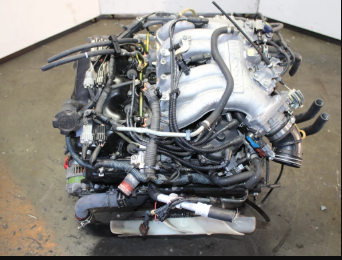

Buying a used engine for a Nissan is one of those decisions where enthusiasm outruns process. People fall for a listing, imagine the finished car, and skip the boring evaluation that determines whether the project succeeds or stalls. After watching enough swaps go both ways, I have come to rely on a simple mental checklist, four questions I run through every single time before spending a dollar. It is not glamorous, but it turns a gut-feel gamble into a decision you can defend. Think of it as a framework you can reuse for any Nissan engine purchase.
The four checks are compatibility, provenance, completeness, and seller credibility. Miss any one and you inherit a problem that costs more than the engine did. Clear all four and you have done the real work of buying well. Let me break each one down.
Check one: compatibility with your exact car
This is the foundation, and it is where most bad purchases begin. Nissan produced many engine variants across model years and platforms, with differences in mounting, wiring, engine management, and emissions equipment. Two engines can share a family name and still demand very different supporting parts. The mistake is buying based on the engine’s name rather than its exact application to your specific chassis and year.
Before you shortlist anything, pin down precisely what your car needs. Then match that against the unit on offer. This is why serious sellers organize inventory by make, model, and year, because that structure is what lets you confirm a real match. Browsing a well-sorted Nissan JDM engine selection that is broken down by application makes this check far easier than sifting through vague listings that just name the engine and hope you sort out the rest. If a seller cannot tell you the exact variant, you cannot complete this check, and you should walk.
Check two: provenance and mileage
Once compatibility is settled, ask where the engine came from and how far it has run. The appeal of imported Japanese units is that Japan’s inspection system retires cars young, so drivetrains reach the used market with plenty of life left. That is a genuine advantage, but it only counts if the mileage is documented rather than assumed. A credible seller can explain how they source and grade their inventory. Provenance is not about paranoia. It is about buying a component whose history supports the price you are paying, so you know you are getting a lightly used engine and not a tired one wearing an optimistic number.
Check three: completeness of the unit
An engine is not just a block. Depending on how it was pulled and listed, it may or may not include accessories, sensors, intake components, and other supporting hardware. The gap between what you assume comes with the engine and what actually ships is a classic source of budget overruns and delays. Before buying, get clear on exactly what is included. Then compare that against what your swap requires, and price the difference. A unit that looks cheap can become expensive once you tally the parts you have to source separately. A slightly pricier complete unit is often the better value precisely because it does not send you hunting for missing pieces at the worst possible moment.
Check four: the seller’s credibility
The final check is about who you are trusting, because everything above depends on the seller being honest and competent. The import market has matured, and the best operators inspect units, document inventory, offer warranties, and run real logistics with nationwide shipping and financing. Those signals separate a professional from an anonymous listing. Look for precise application data, clear photos, a stated grading process, and a return or warranty policy. A seller who invests in all of that is protecting their reputation, which means they are also protecting you. A seller who offers none of it is asking you to absorb all the risk.
A fifth question worth asking
The four checks cover the purchase itself, but there is a bonus question that separates good buyers from great ones: what will this engine need after it arrives? Thinking one step past the transaction changes how you shop. An engine that clears all four checks still has to be installed, and the smart buyer has already priced the supporting cast before the crate shows up. That means motor mounts, fresh fluids, a timing service if the design calls for one, and the gaskets and seals worth replacing while access is easy.
This forward look also shapes which unit you choose. Two engines can both pass the four checks, but one might drop into your car with minimal fuss while the other demands a different harness, adapters, or tuning. Factoring the post-purchase work into the decision sometimes tips the scale toward the slightly pricier unit that installs cleanly, because the total project cost, not the sticker price, is what actually leaves your wallet. Buyers who stop thinking at checkout are the ones surprised by a second wave of expenses. Buyers who extend the framework one question further budget the whole job up front and avoid the nasty math that shows up halfway through a swap. The engine is a purchase. The running car is the project, and the fifth question keeps the two from drifting apart.
Running the framework in practice
Put together, these four checks take maybe an hour of research per candidate engine, and that hour is the highest-return work in the entire project. Start with compatibility, because if the unit does not suit your car, nothing else matters. Confirm provenance and mileage so you know what you are actually paying for. Verify completeness so the price you see is close to the price you pay. And weigh seller credibility, because it underwrites the other three.
What makes this a framework rather than a one-time tip is that it scales. Whether you are buying a straightforward replacement for a daily driver or hunting a specific variant for a build, the same four questions apply. They force you to slow down at exactly the moment excitement wants you to speed up. The engine that clears all four checks is the one worth buying. The one that fails even a single check is the one that turns into a story you tell other people as a warning. Run the framework every time, and your Nissan swap becomes a project you planned instead of a problem you inherited. The hour you spend on these questions is the cheapest hour in the entire build, and it is the one that decides whether the rest of your money is well spent or quietly wasted.