


Construction projects are massive undertakings that require a steady and reliable supply of raw materials to succeed. Among the most critical of these materials are aggregates, such as crushed stone, sand, and gravel.
These components form the skeleton of our built environment, providing the necessary strength and stability for everything from residential foundations to sprawling highway networks.
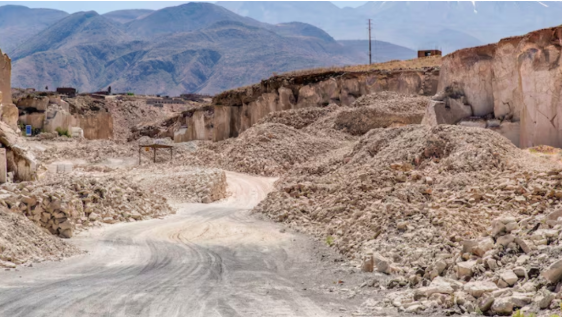
The primary source for these essential materials is the quarry. Without a properly functioning quarry, the entire supply chain of the construction industry would grind to a halt, making it a cornerstone of development and infrastructure.
Providing the Foundation for Infrastructure
At the most basic level, stone and gravel are the building blocks of stability. Before any vertical construction can begin, the land must be leveled and reinforced.
This process involves the use of aggregate products sourced directly from a local quarry to create a solid base that prevents settling and structural failure.
Whether it is the base layer of a parking lot or the support beneath a major bridge, these materials ensure that structures remain upright and durable against the forces of nature and heavy traffic loads over many decades.
Enabling Concrete and Asphalt Production
Concrete and asphalt are perhaps the most ubiquitous materials used in modern construction, and they rely heavily on the consistent output of high-quality stone. Concrete is essentially a mixture of cement, water, and aggregates, where the aggregate makes up the majority of the volume.
Similarly, asphalt for paving relies on crushed stone to provide the texture and durability required for road surfaces.
By processing rock into specific sizes and gradations, producers ensure that the final mixture meets the rigorous engineering standards required for high-performance buildings and transportation systems.
Facilitating Sustainable Development
Environmental considerations are increasingly vital in the building sector. Modern extraction sites have evolved to prioritize responsible management, focusing on minimizing their ecological footprint through progressive reclamation efforts.
By sourcing materials closer to the point of use, these sites help reduce the carbon footprint associated with long-distance transportation.
Integrating sustainable practices allows the industry to balance the high demand for new buildings with the need to protect the natural landscape, ensuring that resources are harvested efficiently without causing irreversible environmental harm.
Supporting Economic Growth and Jobs
The demand for construction materials is a reliable indicator of economic health. By providing the raw inputs for new developments, extraction sites directly stimulate the economy and create numerous employment opportunities.
These sites are hubs of activity that support a diverse workforce, ranging from heavy equipment operators and engineers to logistics specialists and environmental consultants.
The ongoing flow of materials from these locations sustains the building sector, which in turn drives growth across multiple peripheral industries, such as transport and manufacturing.
Adapting to Technical Specifications
Engineering requirements for modern projects are becoming increasingly complex and precise. Different structures require different types of rock, each with specific hardness, chemical composition, and durability characteristics.
Technicians work within these sites to test and refine materials, ensuring that they meet the strict criteria set by structural engineers.
This technical capability ensures that every project, whether a high-rise tower or a complex drainage system, is constructed with materials that are specifically suited to withstand the stresses they will encounter throughout their lifecycle.